Ground improvement, or soil mejoramiento, is a critical geotechnical discipline that transforms weak or problematic soils into reliable, load-bearing strata. In Los Angeles, this category encompasses a range of in-situ technologies designed to increase bearing capacity, reduce settlement, accelerate consolidation, and mitigate liquefaction risk. The region's complex geology—from soft alluvial deposits in the LA Basin to loose, saturated sands in coastal zones—demands tailored solutions that ensure the stability of buildings, bridges, and infrastructure. By modifying the engineering properties of the ground rather than excavating and replacing it, ground improvement often provides a more sustainable and cost-effective alternative to deep foundations, minimizing truck traffic, disposal costs, and construction timelines.
Los Angeles sits atop a mosaic of geological formations shaped by the San Andreas Fault system, ancient river channels, and marine transgressions. Much of the city's lowland areas are underlain by Holocene-age alluvium, artificial fill, and young sedimentary deposits that are prone to differential settlement and liquefaction during seismic events. The presence of high groundwater tables in neighborhoods like Marina del Rey, Long Beach, and the San Fernando Valley further complicates construction, as loose granular soils can lose strength when shaken. These local conditions make ground improvement not just a technical option but often a regulatory necessity, especially given California's strict building codes and the city's location in Seismic Design Category D or E.
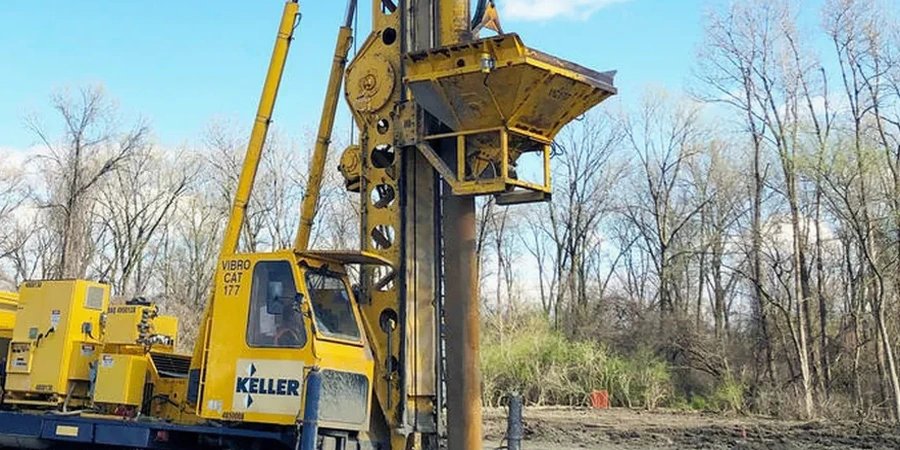
The primary regulatory framework governing ground improvement in Los Angeles is the California Building Code (CBC), which adopts and amends the International Building Code with state-specific seismic provisions. Chapter 18 of the CBC addresses soils and foundations, requiring geotechnical investigations that evaluate liquefaction potential, settlement, and lateral spreading. The City of Los Angeles Department of Building and Safety (LADBS) further mandates compliance with its own supplemental guidelines, including the requirement for peer review of geotechnical reports on certain projects. For liquefaction mitigation, engineers must demonstrate that improved ground meets performance criteria under the Maximum Considered Earthquake (MCE), often referencing standards from the American Society of Civil Engineers (ASCE 7) and the California Geological Survey's Seismic Hazard Zone maps.
The types of projects that typically require ground improvement in Los Angeles are diverse. High-rise structures in Downtown LA and Century City often need enhanced bearing capacity to support heavy column loads without excessive settlement. Infrastructure projects such as freeway overpasses, light rail extensions, and port facilities at the Port of Los Angeles rely on techniques like diseño de columnas de grava to reinforce soft clays and silts. Large-scale warehouse developments in the Inland Empire portion of the metro area frequently employ diseño de vibrocompactación to densify loose sands and prevent seismic settlement. Even residential subdivisions on hillside fill or former agricultural land may require improvement to meet slope stability and drainage requirements.
¿Necesita una evaluación geotécnica?
Respuesta en menos de 24h.
La forma más rápida de cotizar
Email: contato@sondajespt.com
Frequently asked questions
What is ground improvement and when is it necessary in Los Angeles?
Ground improvement refers to geotechnical techniques that enhance soil properties such as strength, stiffness, and permeability without removing the soil. In Los Angeles, it becomes necessary when native soils—like loose alluvium or artificial fill—cannot safely support structural loads or are susceptible to liquefaction during earthquakes. A geotechnical investigation determines if improvement is needed based on building code requirements and site-specific seismic hazard assessments.
How do I know if my project site requires ground improvement for liquefaction mitigation?
Your geotechnical engineer will evaluate the site using data from borings, Cone Penetration Tests (CPT), and the California Geological Survey's Seismic Hazard Zone maps. If the site lies within a mapped liquefaction zone and the soil profile contains loose, saturated sands or silts within the upper 50 feet, the California Building Code typically mandates mitigation measures, which may include densification, drainage, or reinforcement through ground improvement.
What are the main differences between stone columns and vibrocompaction?
Stone columns replace a portion of weak soil with compacted gravel to create stiff, draining inclusions, making them suitable for cohesive soils like clays and silts. Vibrocompaction, on the other hand, densifies granular soils like sands and gravels using a vibrating probe without adding material. The choice depends on the soil type: stone columns excel in mixed or fine-grained profiles, while vibrocompaction is optimal for clean, free-draining sands.
Does ground improvement eliminate the need for deep foundations completely?
In many cases, yes. Ground improvement can increase bearing capacity and reduce settlement to levels that allow the use of shallow, spread footings instead of piles or drilled shafts. However, for extremely heavy structures or very poor soils, a hybrid approach combining improvement with deep foundations might be necessary. The decision hinges on the geotechnical analysis and the performance criteria set by the structural engineer and local building code.