Foundation engineering in Los Angeles encompasses the critical discipline of designing and constructing the structural interface between buildings and the ground they rest upon. This category covers everything from shallow spread footings and mat foundations to deep systems like driven piles and drilled shafts, each tailored to transfer structural loads safely into the earth. In a metropolis defined by its sprawling residential neighborhoods, towering commercial high-rises, and vital infrastructure, the integrity of a structure begins below grade. A properly executed diseño de fundaciones en pilotes or other foundation type is not merely a construction phase; it is a long-term investment in safety, performance, and resilience against the region's formidable natural forces.
The importance of specialized foundation design in Los Angeles cannot be overstated, primarily due to the city's notorious seismic profile. Situated within one of the world's most active earthquake zones, the region is crisscrossed by numerous active faults, including the San Andreas, Newport-Inglewood, and Hollywood faults. Ground shaking during a seismic event can induce liquefaction in saturated sandy soils, causing a sudden loss of soil strength and catastrophic foundation failure. Moreover, lateral spreading and ground rupture pose direct threats to structural stability. Therefore, foundation systems here must be designed not just for static vertical loads but for the complex dynamic forces generated by earthquakes, demanding a level of geotechnical sophistication that goes far beyond standard practice in more stable regions.
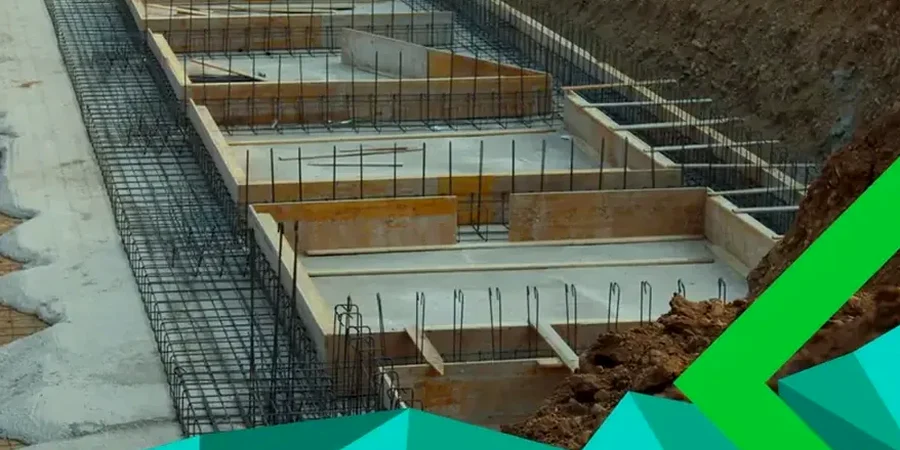
Complementing the seismic hazards are Los Angeles's unique and challenging geological conditions. The landscape is a complex mosaic of alluvial deposits, dense sedimentary formations like the Fernando and Pico formations, shallow bedrock in the foothills, and deep soft clays in the basin. Hillside construction, prevalent in areas from the Hollywood Hills to the Palos Verdes Peninsula, introduces significant challenges with slope stability, potential for landslides, and the need for deep foundation elements like caissons or tieback anchors to reach competent bearing strata. On the coastal plain, the presence of expansive clay soils, which swell when wet and shrink when dry, can wreak havoc on lightly loaded shallow foundations, leading to cracked slabs and distressed structures. A thorough geotechnical investigation is the indispensable first step in any project, revealing the subsurface profile and dictating the appropriate foundation solution.
Navigating the regulatory landscape is another cornerstone of foundation work in Los Angeles. The design and construction of foundations are governed by a stringent hierarchy of codes, most notably the California Building Code (CBC), which adopts and amends the International Building Code (IBC) with state-specific seismic provisions. The City of Los Angeles Department of Building and Safety (LADBS) enforces these regulations through its own local amendments and requires rigorous review of structural and geotechnical reports. For deep foundations, the CBC Chapter 18 provides detailed requirements for the design of driven piles, micropiles, and drilled shafts, including special inspection and load testing mandates. Adherence to these codes, along with standards from the American Concrete Institute (ACI) and the American Society of Civil Engineers (ASCE), is not optional; it is the legal and professional bedrock that ensures public safety and structural integrity across every project, from a single-family home to a downtown skyscraper.
¿Necesita una evaluación geotécnica?
Respuesta en menos de 24h.
La forma más rápida de cotizar
Email: contato@sondajespt.com
Available services
Frequently asked questions
What are the most common types of foundation problems in Los Angeles?
The most frequent issues stem from seismic activity, expansive clay soils, and hillside instability. Earthquake-induced liquefaction can cause settlement and tilting, while expansive soils lead to slab cracking and foundation heave. On hillsides, inadequate deep foundations or poor drainage can trigger landslides and lateral movement, compromising structural integrity.
When is a deep foundation system like piles required instead of a shallow footing?
Deep foundations are necessary when near-surface soils lack the bearing capacity to support structural loads, are prone to excessive settlement, or are susceptible to liquefaction or slope instability. This is common on hillsides, in areas with deep soft clay deposits, or for heavy structures where loads must be transferred to a more competent layer like bedrock or dense sand.
What role does a geotechnical investigation play in the foundation design process?
A geotechnical investigation is the essential first step that defines the subsurface conditions through soil borings, laboratory testing, and analysis. It determines soil strength, compressibility, and seismic site class. The resulting report provides the design parameters—such as allowable bearing pressure and pile capacities—that engineers use to create a safe, code-compliant foundation tailored to the specific site.
How do local building codes in Los Angeles affect foundation design?
The Los Angeles Department of Building and Safety enforces the California Building Code, which includes stringent seismic design categories due to the region's high seismicity. Codes mandate specific requirements for deep foundation testing, special inspections, and design for liquefaction and lateral spreading. These regulations ensure foundations are engineered to withstand the maximum considered earthquake for the site.