Excavations in Los Angeles represent one of the most technically demanding and risk-intensive phases of any construction project, encompassing everything from initial site preparation to deep earth removal for foundations, utilities, and underground infrastructure. The category covers a broad spectrum of activities including soil and rock cutting, trenching, shoring, dewatering, and the geotechnical engineering required to ensure stability throughout the process. In a seismically active region like Southern California, where soil conditions can vary dramatically within a single city block, proper excavation planning is not merely a regulatory requirement but a fundamental safeguard against catastrophic failures, adjacent property damage, and loss of life. The importance of this discipline is magnified by Los Angeles' dense urban fabric, where excavations frequently occur mere feet from existing high-rises, historic structures, and critical lifeline utilities.
The local geology of the Los Angeles Basin presents a uniquely challenging environment for excavation work. The region is underlain by a complex mosaic of Pleistocene and Holocene alluvial deposits, marine sediments, and weathered bedrock formations that create highly variable bearing capacities and excavation behaviors. Much of the basin floor consists of soft to stiff clays, silts, and sands interbedded with gravel lenses, while the surrounding hillsides expose weak sedimentary rocks like the Fernando and Puente Formations that are prone to slaking and rapid deterioration upon exposure. The presence of shallow groundwater in many basin areas, combined with the threat of liquefaction during seismic events, demands rigorous geotechnical characterization before any excavation begins. Additionally, the region's history of oil extraction has left behind undocumented wells, sumps, and contaminated soils that can turn a routine dig into a hazardous materials operation without warning.
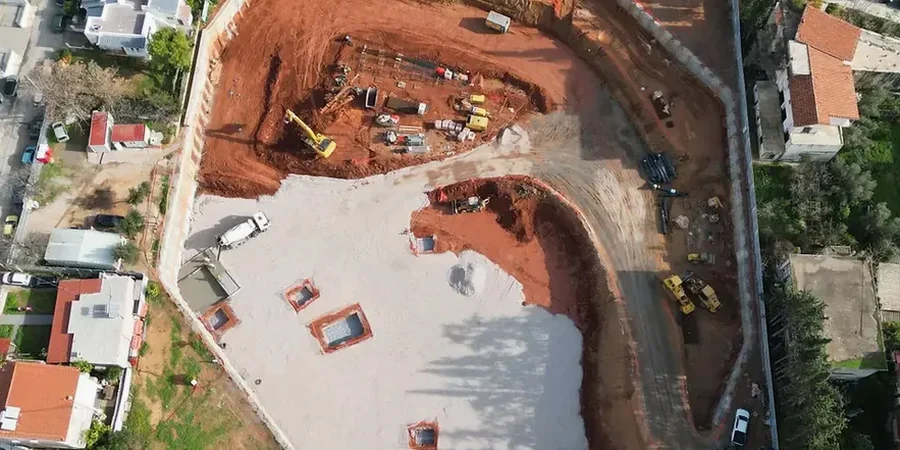
Regulatory oversight of excavations in Los Angeles is governed by a layered framework of federal, state, and local codes that dictate every aspect of planning and execution. The California Building Code (CBC), based on the International Building Code with state-specific amendments, establishes minimum standards for excavation slopes, shoring systems, and foundation load transfer. Cal/OSHA's Title 8 regulations enforce strict worker safety protocols including daily competent person inspections, access and egress requirements for trenches deeper than four feet, and mandatory protective systems for excavations exceeding five feet. At the municipal level, the Los Angeles Department of Building and Safety (LADBS) requires detailed excavation and shoring plans stamped by a licensed civil or geotechnical engineer for any dig deeper than five feet or within a zone of influence of adjacent structures. The City's Bureau of Engineering also mandates street excavation permits with specific traffic control and pavement restoration bonds, while the Regional Water Quality Control Board enforces stormwater pollution prevention plans to manage sediment and dewatering discharge.
The types of projects that demand professional excavation services in Los Angeles span the full spectrum of urban development and infrastructure renewal. High-rise construction in Downtown LA and Century City routinely requires deep excavations extending 60 to 100 feet below grade for multi-level subterranean parking, often employing complex systems like tied-back soldier pile walls or secant pile shoring to protect neighboring foundations. Linear infrastructure projects, including the expanding Metro rail network, involve extensive cut-and-cover tunneling through soft ground conditions that necessitate specialized geotechnical analysis for tunnels in soft soil to predict settlement and face stability. Hillside residential developments in areas like Bel Air and the Hollywood Hills demand careful benching and slope stabilization, while utility upgrades across the city's aging corridors require precise trenching with positive shoring to prevent collapse in sandy or saturated soils. Each project type brings its own geotechnical challenges, from managing groundwater inflow in basin excavations to controlling vibration-induced settlement during rock breaking in the Santa Monica Mountains. For projects involving significant depths, geotechnical design of deep excavations becomes critical to ensure wall deflections remain within tolerable limits and base heave is prevented under high hydrostatic pressures.
¿Necesita una evaluación geotécnica?
Respuesta en menos de 24h.
La forma más rápida de cotizar
Email: contato@sondajespt.com
Frequently asked questions
What depth of excavation requires a permit and engineered shoring plans in Los Angeles?
Under LADBS regulations, any excavation deeper than five feet requires a permit and engineered shoring plans stamped by a California-licensed civil or geotechnical engineer. Additionally, excavations of any depth that could impact adjacent structures or public rights-of-way trigger the same requirements. Cal/OSHA mandates protective systems for all trenches five feet or deeper, with some exceptions for stable rock.
How does the local geology in Los Angeles affect excavation safety and methods?
The Los Angeles Basin's interbedded alluvial soils, shallow groundwater, and seismic activity create significant excavation hazards including caving in sandy layers, base heave in soft clays, and liquefaction potential. These conditions often require engineered shoring systems, continuous dewatering, and seismic design considerations. Hillside areas with weak sedimentary rock demand careful slope stabilization to prevent rapid weathering and surficial failures upon exposure.
What are the primary regulatory agencies that govern excavation work in Los Angeles?
Excavation work in Los Angeles is regulated by multiple agencies: LADBS enforces the California Building Code for structural safety and shoring design; Cal/OSHA oversees worker safety under Title 8 regulations; the City Bureau of Engineering manages street and right-of-way permits; and the Regional Water Quality Control Board requires stormwater pollution prevention plans for dewatering and sediment control during earthwork activities.
What are common signs of impending excavation failure that monitoring systems detect?
Geotechnical monitoring systems detect warning signs such as excessive lateral wall deflection, rapid settlement of adjacent ground or structures, sudden increases in groundwater levels behind shoring, cracking in nearby pavements or buildings, and unexpected changes in load on tiebacks or struts. Early detection through inclinometers, survey points, and piezometers allows for timely corrective action before a catastrophic collapse occurs.